
Why a straight answer is hard
People ask how many days drying takes, and the honest answer is that it depends. A small spill on tile can be dry in an afternoon. A flooded basement with wet drywall, insulation and a wood subfloor can take much longer. The goal is to bring materials back to a normal moisture level, and the clock follows from that goal.
Some jobs finish in a few days, and some need more. If anyone gives you a fixed number before looking at the loss, ask how they got it.
Five things that set the timeline
Material
Dense materials such as hardwood, plaster and concrete hold water longer than carpet or thin drywall.
Amount of water
A small amount dries faster than a large one, and standing water must be removed first.
How long it sat
The longer water sits, the deeper it travels into materials.
Air conditions
Warm, dry air dries faster than cool, humid air, so humidity control matters.
Equipment and layout
Open rooms dry faster than closed cavities, and proper airflow reaches wet areas.
These factors interact. A closed-up basement in summer humidity can be the slowest case, even if the water amount is modest.
The stages of a drying job
Remove standing water
Water extraction pulls out what can be pumped or vacuumed.
Map the moisture
Meters and a thermal camera find wet areas, including those hidden behind surfaces.
Set the equipment
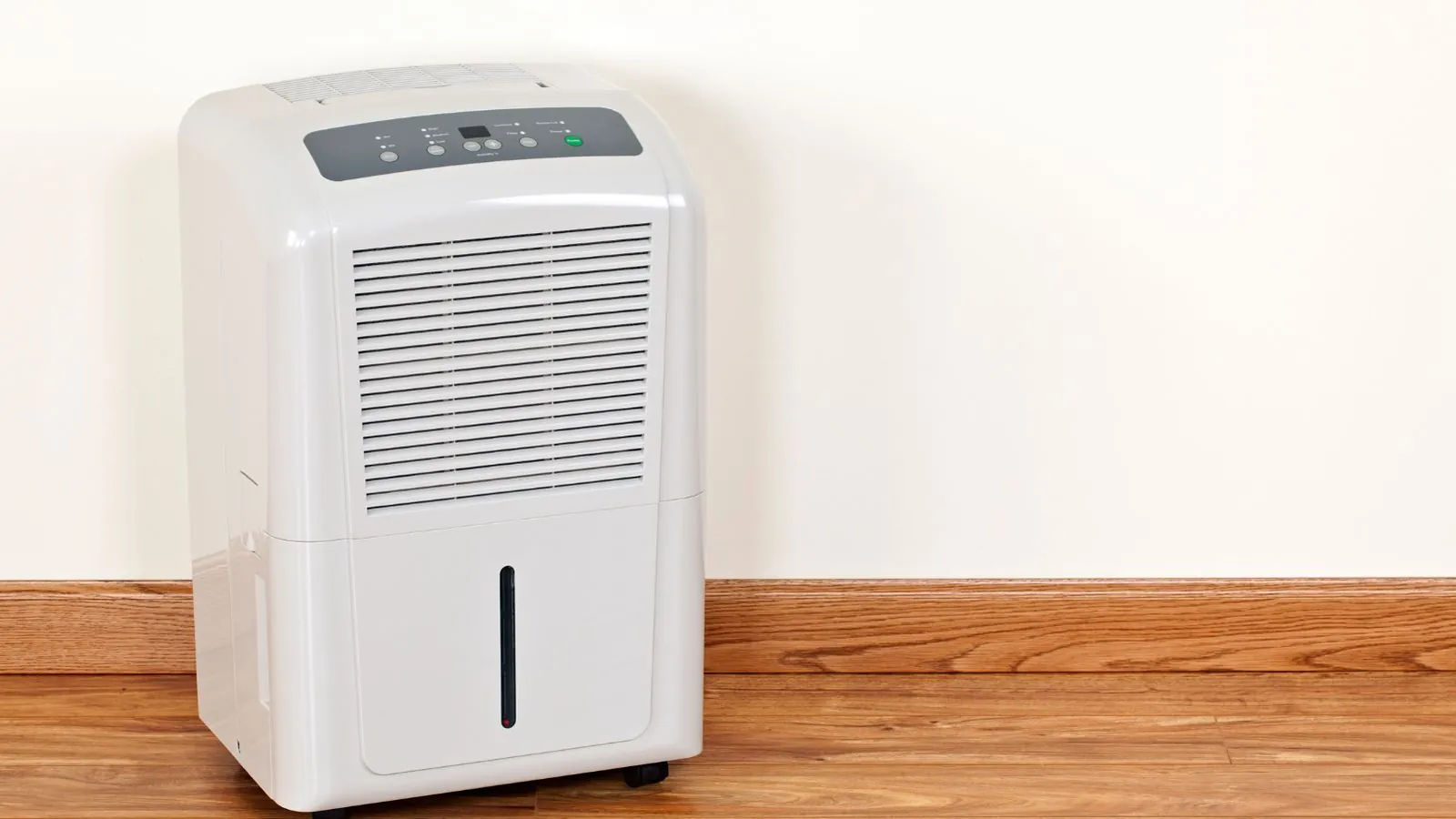
Air movers push air across wet surfaces, and dehumidifiers pull moisture from the air.
Monitor
Technicians check readings and move or add equipment as areas dry.
Confirm dry
Readings return to a normal standard before equipment is removed.
The published ANSI/IICRC S500 standard guides this process. It also defines classes of water loss by how much of a space is affected and how absorbent the materials are.
How professionals know when it is done
Dry is a measurement, not a feeling. A technician takes readings on affected materials and compares them with readings on similar dry material in an unaffected area. When readings match, drying is complete. Surfaces that feel dry can still read wet inside, which is why meter readings matter.
Stopping early is a common reason for later problems, such as odor, warped floors and mold. Our structural drying page explains the equipment, and our mold remediation page explains what can happen when drying is incomplete. We make no health claims about mold.
Materials and what to expect
| Material | Drying behavior | Note |
|---|---|---|
| Carpet. | Surface dries fast, pad holds water. | Pad is often replaced. |
| Drywall. | Wicks water upward. | Dry in place or cut out. |
| Hardwood. | Slow, may cup. | See hardwood floor water damage. |
| Concrete. | Slow, holds moisture. | Needs time and dry air. |
| Insulation. | Holds water, dries slowly. | Often removed when wet. |
What you can do to help
- Keep doors and windows as the technician advises.
- Do not turn off the equipment, which is loud but necessary.
- Keep children and pets away from the setup.
- Leave closed cabinets and closets open if asked.
- Tell the technician about new smells or new stains.
If you live in Bloomingdale or Streamwood, the process is identical. Only the weather and the building change.
Why the second visit matters
Drying is not a one-day event, so a good job includes return visits. On each one the technician takes fresh readings, moves equipment to the wettest areas and removes units from rooms that have reached dry. Ask what readings were taken and where. If the numbers are not falling in an area, something is feeding it, such as a hidden leak, a wet cavity or a closed door that is blocking airflow.
Seasonal air in Roselle homes
The Chicago area sees humid summers and dry winters indoors with heating. Humid summer air slows drying and often needs extra dehumidification. Dry winter air helps, though very cold basements can stay damp.
Roselle Development and Engineering Services handles permits for plumbing and similar work if drying uncovers a repair that needs one.
Source types: General building science, Village of Roselle
What to do while you wait for drying to finish
- Do not turn off the equipment between visits.
- Keep a log of any new smells or stains.
- Open interior doors as the technician advises.
- Avoid walking on wet floors where furniture was lifted.
- Ask for readings on each visit so you can follow progress.
Waiting is part of the job. A simple log helps you and the technician spot a spot that is not drying.
Questions Roselle homeowners ask
Many jobs take a few days, but no number fits all. Materials, water category and conditions decide, and readings show when it is done.
Moisture sits inside the board and behind it. A meter reads below the surface, which your hand cannot.
Heat alone can damage wood and push moisture around. Controlled airflow and dehumidification work better.
Usually yes, and so do dehumidifiers, until readings reach a dry standard. Equipment is adjusted along the way.
Yes, since equipment runs continuously. Ask your insurer whether it is part of a covered claim.
High humidity makes drying harder, which is why dehumidifiers are part of the setup.