
Storm water in the building: first steps
A storm can open a house to rain in minutes. Our line is open 24/7 for Roselle and nearby towns, because storms do not keep office hours. Stay clear of wet ceilings, fixtures and electrical panels, and keep people out of any room with sagging drywall or active dripping. Place buckets and move furniture, rugs and electronics away from the wet area.
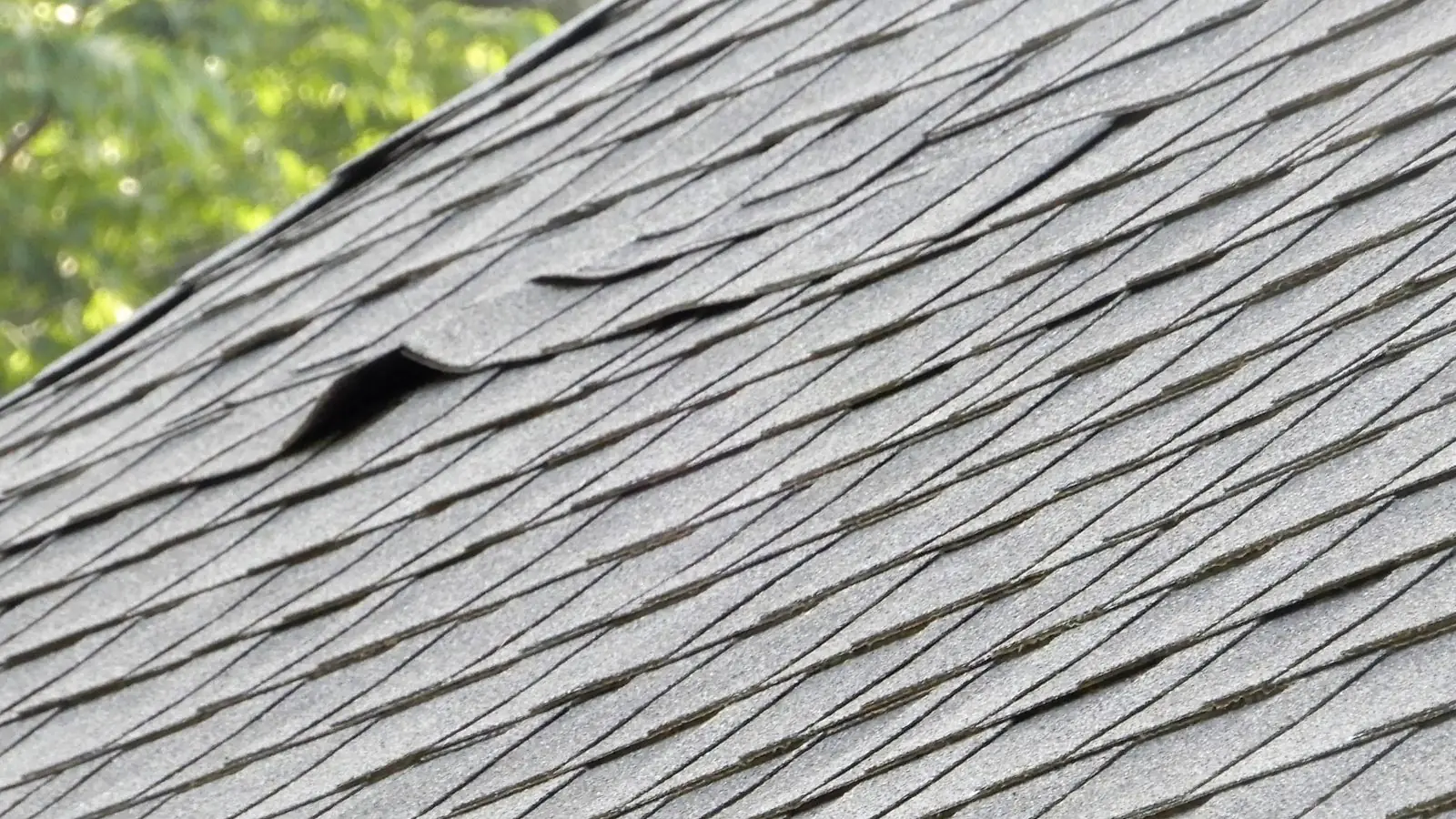
Photograph the damage and the weather source if it is safe, such as a missing shingle line or a broken window. Temporary tarping is a roofer or contractor job, and most insurers expect you to take reasonable steps to prevent more damage. Keep receipts for those steps.
- Avoid wet ceilings, light fixtures and electrical panels.
- Move belongings and cover furniture with plastic.
- Photograph interior and exterior damage.
- Call your insurer and a roofer or window contractor.
How storm damage differs
Storm water is not rising water. It comes through the roof, around windows, through siding or down a chimney. That makes it wet insulation, stained ceilings, soaked walls and damp attic spaces, and it is usually cleaner than flood water. Rising water from outside the house is a different loss, covered under flood damage restoration.
| Entry point | Typical damage | Next step |
|---|---|---|
| Roof or flashing. | Wet attic insulation, ceiling stains. | Roofer, then ceiling and attic drying. |
| Window or door. | Wet wall, trim and flooring below. | Window repair, then drywall and floor drying. |
| Siding or wall. | Wet cavity, mold risk behind drywall. | Cavity drying and repair. |
| Chimney or vent. | Stains near the fireplace or ceiling. | Flashing repair, then interior drying. |
Storms and drainage around Roselle
The Village of Roselle sends Nixle alerts that relay National Weather Service flood watches and flash flood warnings. Signing up gives you early notice before heavy rain. DuPage County and the village also maintain stormwater facilities, and records for the Cook County side of the village mention a village-owned basin called Heather Green.
This site does not quote a local rainfall figure or storm date, because those belong to National Weather Service records. What matters for you is the next step: if rain entered at a window or the roof, dry the wet materials quickly. For water that came through a basement wall or floor, see basement water damage cleanup.
Drying and repair after storm water
We find where the water went with moisture meters and thermal imaging, then remove wet insulation and drywall that cannot be dried. The rest is dried with air movers and dehumidifiers, and moisture readings show when it is ready. See structural drying for the details. A roofer or contractor fixes the opening itself.
Cost factors and insurance
Price depends on how many rooms are wet, whether insulation and drywall must be replaced, the flooring involved and the drying days required. Wind and storm damage is often covered by homeowner policies, while flood and groundwater usually are not, so the cause matters. Ask your insurer and keep photos. Want your real number? Call (630) 580-6401.
What to do when storm water gets in
- Stay clear of downed lines and wet outlets.
- Place buckets and towels under active drips.
- Move furniture away from walls and windows that are leaking.
- Photograph the entry points and the damage.
- Cover roof openings only if you can do so from the ground or a safe ladder.
The published ANSI/IICRC S500 standard treats rain that enters through a roof or wall with caution, since it can pick up dust and debris on the way. Ask before you assume it is clean.
Questions about storm water damage in Roselle
Yes. Storms often hit after dark, and the line answers through the night and over weekends. Tell us where the water is entering and what is wet.
Wind and storm damage is often covered, while flood and groundwater usually are not. Ask your insurer, because the cause of the water matters.
No. A roofer or contractor tarps and repairs the roof. We dry and restore the interior.
Look for paint bubbles, stains, musty odors and damp baseboards. A moisture meter or thermal camera can confirm what is behind the surface.
The village sends Nixle alerts that relay National Weather Service warnings, and you can also check the NWS Chicago forecast.
Rainwater is cleaner than flood water, but it can carry roof debris and soak insulation. Wet materials should be dried or removed promptly.