
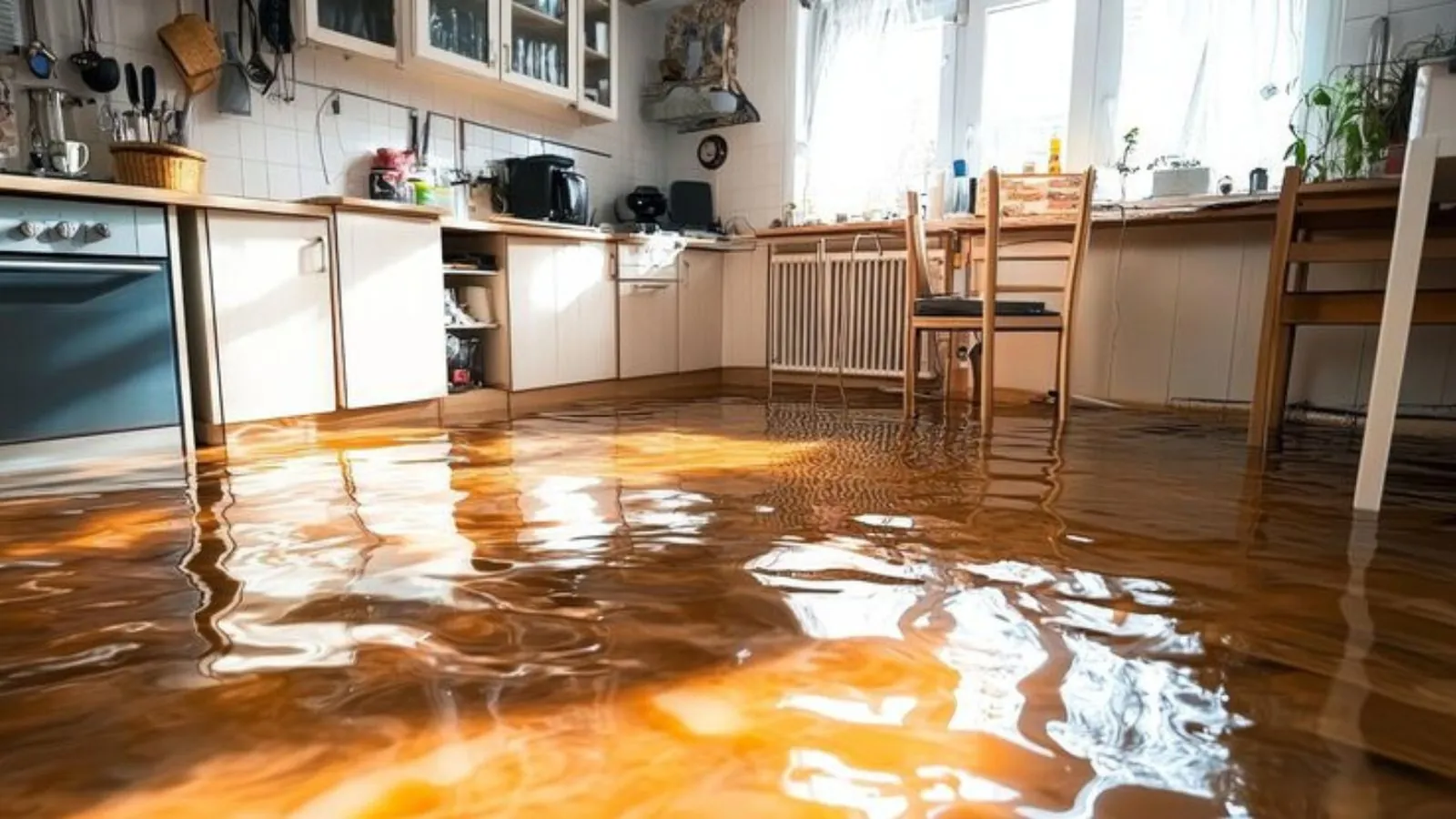
When the call comes from Hanover Park
Hanover Park is a village of about 37,470 residents that was incorporated in 1958. A large share of its homes date from decades when copper supply lines, cast iron drains and early water heaters went into new construction. Age alone does not cause a leak, but older fittings, worn appliance hoses and long-forgotten shutoff valves are the usual places water starts.
We run the line out of Roselle, so a Hanover Park call is a local call for us. When you phone, we ask where the water is, what is wet and whether it is still running, then explain scope and price before work starts. Every call starts the same way: stop the source if you safely can, then call.
Water spreading in 60133? Call now and we will walk you through the first steps.
Call (630) 580-6401What your village water supply means for a leak
Hanover Park receives Lake Michigan water through the Northwest Suburban Municipal Joint Action Water Agency, with four standby wells held in reserve. For a homeowner, that means a supply-line burst is clean Category 1 water at first, which is the best case for saving carpet and drywall. The clock matters, though, because clean water turns into a problem after a day or two as it sits in porous material.
If the failed line is on the street side of your meter, call Village Public Works at 2121 W Lake Street. If it is on your side, shut off the main inside the house. Our guide pages cover burst pipe water damage and water heater leak cleanup, the two most common supply-side emergencies.
Cook and DuPage on one street map
Part of Hanover Park sits in Cook County and part in DuPage County, so a policy, a permit or a flood map can depend on which side of the line your address falls. When we assess a loss, we note your exact address in our records, because your insurer and the right building department may differ from your neighbor across the street.
Look up your parcel on the FEMA flood map and read the water sections of your own policy. Illinois insurance regulators note that standard homeowners coverage generally leaves out flood, which means overland water and groundwater often fall to a separate policy. For sewer or drain water, see sewage backup cleanup.
If Water Is Still Spreading
Stop the source
Close the fixture valve or the main water shutoff. If you cannot find it, call Village Public Works or us right away.
Make the room safe
Keep power off near standing water. If the panel is wet or you stand in water to reach it, leave it and call your electric utility.
Lift what you can
Move rugs, books, electronics and small furniture to a dry spot above the wet line. Put foil or blocks under heavy legs.
Document it
Photograph the water line, damaged items and the source before cleanup so your insurer sees the original condition.
Places we are asked about in and around town
Callers describe their locations in many ways: near the Metra Hanover Park station, in the Ontarioville area, or a few blocks off Lake Street, which is U.S. Route 20. Those details help us route a crew and judge access, and they remind us that Hanover Park homes are a mix of single family houses, townhomes and apartment buildings with shared walls and stacked units.
In a multi-unit building, one leak can reach the unit below and the unit beside it, so we check adjoining spaces and say who else should be told. We also serve the towns around Hanover Park, including Bartlett, Wood Dale, Rolling Meadows and Glen Ellyn, when your route runs through them. For floor and carpet losses, see carpet water damage restoration.
Drying, not just cleanup
Removing standing water is the first step, and drying everything behind it is the step that prevents mold. We use moisture meters and thermal imaging to find wet drywall and subfloor, then place air movers and dehumidifiers. Structural drying continues until readings come back to normal, which is why it can take more than one visit.
ANSI/IICRC S500 is the published standard for water damage restoration, and it sorts water into three categories by contamination. That category decides what stays and what is removed, so we state it on day one. Mold is a possible later problem, covered in mold remediation, and we make no health claims about it.
Cost, insurance and permits in Hanover Park
Price depends on the area affected, the water category, the materials involved and the drying days. Sudden leaks are often covered by homeowners policies while long-term seepage often is not, so ask your insurer before repairs begin and keep every photo. Plumbing repairs and larger rebuilds can require permits, so ask the village building office before work starts. Want a real number? Call (630) 580-6401.
Not sure where to begin? One call tells you what to do next.
Call (630) 580-6401Questions from Hanover Park homeowners
Hanover Park uses ZIP 60133, and we cover it. We also help neighbors in nearby towns, so call with your address and we will confirm.
Yes. The line is open 24/7, including nights, weekends and holidays. Share your street and whether you are in the Cook or DuPage side, and we will take it from there.
Both counties include parts of Hanover Park. Your address decides it, and your insurer or building office can confirm which applies.
The supply is Lake Michigan water through a regional agency. A burst supply line starts as clean water, but it gets worse the longer it sits.
Yes. We check neighboring units for moisture and explain who may need to be informed.
Often for sudden leaks, and often not for flood or slow seepage. Ask your insurer, and keep photos.