
Wall still damp, floor still wet, smell still there
People rarely ask for structural drying. They say the carpet was cleaned but the room still smells, the wall feels cool and damp, the floor boards are cupping or the paint keeps bubbling. All of these mean moisture is still inside the building, even though the visible water is gone.
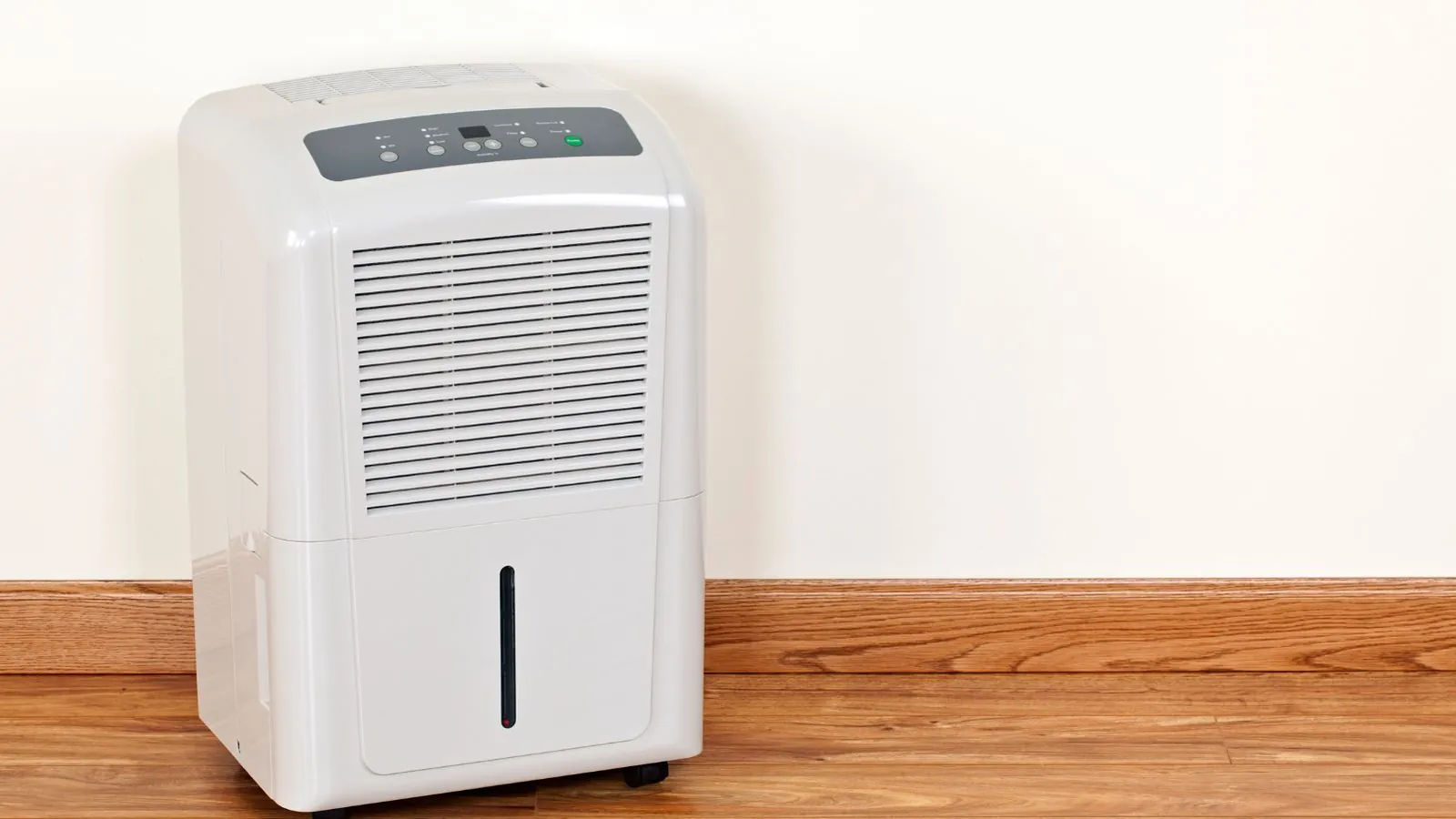
Structural drying is the process of removing that moisture on purpose. It is part of what the trade calls water mitigation: stopping water damage from spreading by removing the water and drying the materials it reached. Air movers push dry air across surfaces, and dehumidifiers pull moisture out of the air so it can keep evaporating from the wood and drywall.
- Musty or damp smell that returns after cleaning.
- Baseboards, drywall or floors that feel cool or damp.
- Paint that bubbles or peels after a leak.
- Hardwood that cups or gaps weeks after the water was removed.
The equipment and what each piece does
| Equipment | Job | What you will notice |
|---|---|---|
| Air movers. | Move air across wet surfaces to speed evaporation. | Loud fans placed low along walls and across floors. |
| Dehumidifiers (LGR). | Remove moisture from the air so drying continues. | Warm air and a steady stream of collected water. |
| Moisture meters. | Measure moisture in drywall, wood and subfloor. | Technician checks at marked spots each visit. |
| Thermal imaging camera. | Finds wet areas behind surfaces by temperature. | Quick scan of walls, ceilings and floors. |
Readings are the proof. We mark measurement points on day one and return to them, so a wet wall that starts high should read lower each visit until it matches a dry reference reading. ANSI/IICRC S500 describes this approach in the published industry standard, and you can ask any company whether its crews work to it.
How long drying takes
It depends on the material and how much water it absorbed. Thin drywall dries faster than hardwood, and a concrete slab holds water longer than either. Wet insulation traps moisture against framing and often has to come out for drying to work. This is why a calendar promise would be misleading, and readings decide when drying is done.
Some callers ask whether they can just rent air movers and dehumidifiers and do the job themselves. We do not offer rentals. Equipment placement, airflow balance and meter readings decide how well the job goes, and a few fans in the wrong spot can leave a wall wet.
Drying in Roselle homes and buildings
Roselle winters keep homes closed up and heated, which can slow natural drying indoors, and summer humidity can do the same. Basements are the usual wet area, and a finished basement adds carpet and drywall to the loss. For that, see basement water damage cleanup, and for the first step before drying, see water extraction.
If drying was delayed and a surface already shows spots, our mold remediation page explains testing and removal. Drying also pairs with repair, so see wall and drywall water damage repair for the rebuild.
Cost factors and insurance
Price follows the number of rooms, the materials involved, the equipment needed and the number of drying days. Insurance may respond to sudden water events, and drying documentation, including moisture logs, often helps a claim. Ask your insurer. Want your real number? Call (630) 580-6401.
What to do while equipment is running
- Keep the equipment plugged in and the doors as advised.
- Do not move fans or dehumidifiers on your own.
- Keep children and pets away from cords and hot exhaust.
- Tell the technician about smells, new stains or noises.
- Leave closets and cabinets open if asked.
Equipment can look like overkill, but each piece has a job. If something trips a breaker, call us rather than resetting it again and again.
Questions about structural drying in Roselle
It is the process of removing moisture from walls, floors and framing after water damage, using air movers, dehumidifiers and moisture meters until readings return to normal.
Fans move air, but dehumidifiers remove moisture from it. Without them the air saturates and drying slows or stops.
We do not offer equipment rentals. Placement, airflow and moisture readings matter, and a small spill is a different case from water inside walls.
Moisture meter readings in the affected materials match a dry reference reading. We do not decide by feel or by calendar days.
Right away. Drying should start as soon as extraction ends, since wet drywall and subfloors keep absorbing moisture until air movers and dehumidifiers are running.
Water mitigation is the broader term for stopping the damage by removing water and drying. Structural drying is the core part of it.