
Same family, different habits
Mildew usually refers to a flat, powdery or fuzzy growth on a damp surface such as a shower wall, a window sill or a leather bag. Mold is the broader term, and it can grow deeper into porous materials such as drywall, wood and carpet. Both need moisture, and both are a signal that something in the room is staying wet.
You will not always be able to tell them apart by sight. Color is a poor clue. Mold can be black, green, white or orange, and some dark spots turn out to be dirt. We do not make health claims about either, and a physician is the right contact for symptoms.
A quick field guide
| What you see | Likely cause | First move |
|---|---|---|
| White or gray powder on a shower wall. | Surface growth from humidity. | Clean, ventilate, repair caulk. |
| Dark spots along a bathroom ceiling. | Condensation and poor airflow. | Check the fan, clean, dry. |
| Fuzzy spots on a basement wall. | Damp masonry or seepage. | Find the moisture, dry, assess. |
| White crust on concrete block. | Efflorescence, a mineral deposit. | Moisture source check. |
| Dark patch on drywall after a leak. | Water damage with possible growth. | Assess, consider removal. |
This is a guide to build a first guess. Only a closer look, with a moisture meter and sometimes testing, gives a real answer.
When cleaning at home makes sense
Surface growth on tile, glass, sealed fixtures and painted hard surfaces can often be handled at home. Wear gloves, open a window and use a cleaner appropriate for the surface. Then deal with the cause. If the same corner turns dark again in a few weeks, the moisture has not been solved, and cleaning is only a repeat chore.
Porous material is different. Drywall, ceiling tile, carpet and insulation absorb moisture and growth, and scrubbing their surface does not remove what is inside. If those materials are involved, our mold remediation page explains how professionals scope removal.
Bathrooms, basements and windows: where it starts
Bathrooms are the usual place for mildew. A fan that does not move air, a shower used with the door closed and failed caulk all keep surfaces wet. Basements are the next place, where damp air, seepage or a missed leak meets cool surfaces. Windows collect condensation in cold weather, and that moisture can reach the frame and sill.
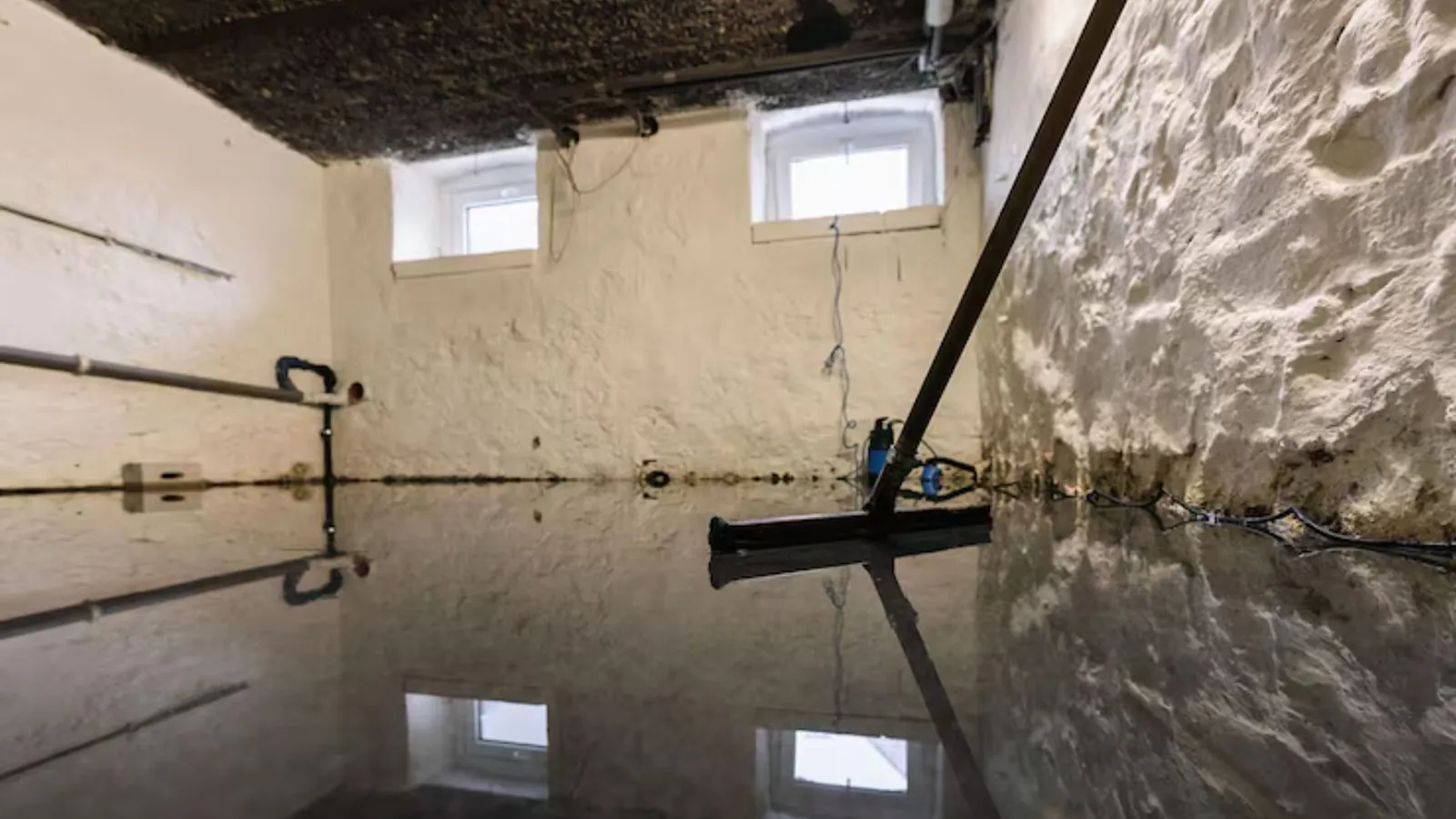
A basement musty smell with no visible growth often signals hidden moisture. See basement water damage cleanup if water has actually entered, and crawl space water damage if the problem is below the floor.
Moisture is the real target
Cleaning removes what you see. Controlling moisture prevents it from coming back. That can mean running a bath fan longer, using a dehumidifier in a damp basement, repairing a leak or improving grading and gutters. For water that has soaked building materials, structural drying is how professionals bring materials back to a normal moisture level.
Restoration is not waterproofing. If water keeps entering your basement from outside, a waterproofing or drainage contractor should look at the cause.
What the standards say
ANSI/IICRC S520 is the published standard for professional mold remediation, and ANSI/IICRC S500 covers water damage. Both emphasize finding the moisture source and drying. Ask any contractor which standard it follows and what its scope of work includes.
Households in Streamwood and Hanover Park deal with the same humidity cycle every summer, and the same bathroom fan advice applies.
A simple routine for damp rooms
- Run the bath fan for twenty minutes after a shower.
- Wipe window sills that collect condensation.
- Keep furniture a few inches off exterior walls.
- Use a dehumidifier in the basement during humid months.
- Fix a dripping faucet or weeping valve right away.
Routines like these cost very little and catch the wet spots that turn into the dark patches people see on walls and ceilings.
Humidity, seasons and Roselle homes
The Chicago area has humid summers and cold winters, and both seasons can leave moisture in a house. In summer, cool basement walls collect condensation. In winter, warm indoor air meets cold windows. A dehumidifier in the basement and a working bath fan answer both problems for many homes.
If a leak is the cause, a plumber must repair it, and Roselle Development and Engineering Services handles plumbing permits.
Source types: General building science, Village of Roselle
Questions Roselle homeowners ask
Mildew is a term often used for surface growth of certain molds on damp material. In everyday use the words overlap.
Not always. Dark spots can be mold, dirt or staining. A moisture reading and, if needed, testing help.
Vinegar and other household cleaners may clean surface growth, but they do not fix the moisture. Results vary and porous material often needs removal.
It may be efflorescence, a mineral deposit left by moisture passing through masonry. It is not mold, but it signals moisture.
When growth is large, inside walls, on porous material, or keeps returning after cleaning.
Often it signals poor ventilation. Fix the fan or airflow, and check for a leak if the caulk keeps failing.