
Why preparing beats reacting
Storm water damage has a pattern. Rain overwhelms a gutter, a window well fills, the sump pump quits when power fails and water finds the lowest part of the house. Each step is a small failure that could be checked in an afternoon. The checklist below is built around that chain, from the roof down to the basement floor.
Nothing here removes all risk, and no homeowner can promise a dry basement. The point is to lower the odds and to know what you will do if water arrives anyway. Our storm water damage cleanup page covers what happens after.
Start at the roof and gutters
- Clear gutters and downspouts of leaves and debris.
- Make sure downspouts discharge several feet from the foundation.
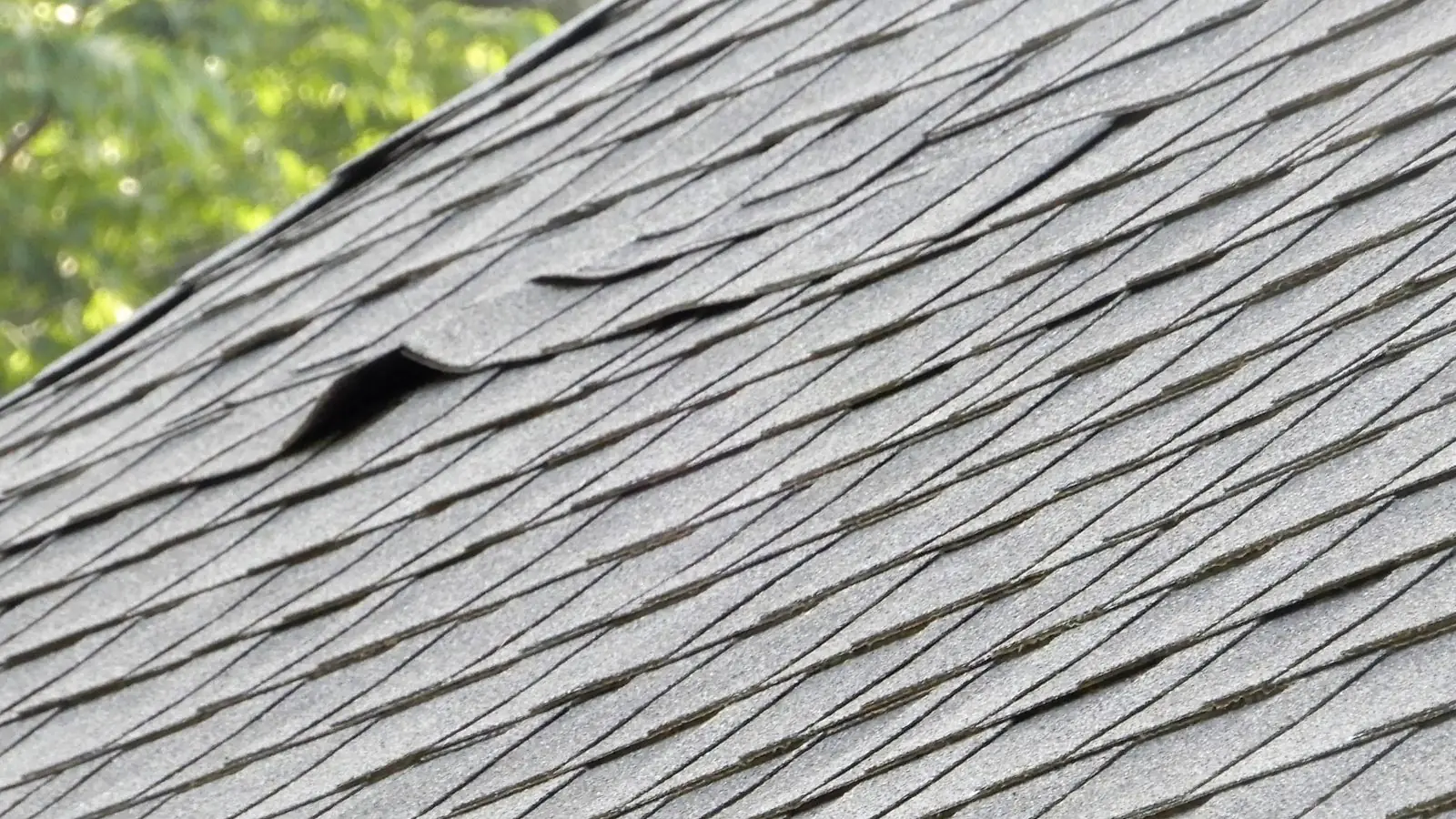
- Look for missing or lifted shingles and cracked flashing.
- Check around chimneys, vents and skylights for gaps.
- Trim branches that touch or overhang the roof.
Water that leaves a roof should leave your property line of concern too. A downspout that dumps next to the foundation sends water exactly where you do not want it. Extensions are cheap compared with a flooded basement.
The yard and the foundation
Look at how the ground slopes near your house. Soil should fall away from the foundation, not toward it. Fill low spots, keep mulch from burying siding and clear window wells of debris. Window wells with covers and drains keep rain from pooling against basement windows.
If you see cracks in the foundation, repairs belong to a foundation contractor, not a restoration company. We dry and restore after water gets in, and we do not repair foundations or install drainage.
The basement checklist
Test the sump pump
Pour a bucket of water into the pit. The pump should start, empty the pit and shut off.
Check the discharge line
Make sure it runs outside, drains away from the house and is not frozen or blocked.
Consider a backup
A battery backup or water-powered unit helps when the power goes out.
Check floor drains
Pour water into them and confirm they flow freely. A slow drain can mean a partial blockage.
Raise valuables
Keep boxes on shelves or pallets instead of directly on the floor.
For sewer water coming up a floor drain, see sewage backup cleanup. For other basement water, basement water damage cleanup explains pumping and drying.
Know where your shutoffs are
Locate the main water shutoff, the water heater valve and the power panel. If you are not sure where they are, walk the house with a flashlight now and label each one. Everyone at home should know how to reach them in the dark.
Also know the numbers to call. Keep your electric utility, your insurer and a restoration company on a list near the door.
Documents and photos before the storm
Walk through your home with a phone and record each room, including the contents. Keep the video somewhere other than the house, such as a cloud folder. Insurers ask for proof of what you owned and what condition it was in. Copy your policy and keep it where you can reach it without wi-fi.
Read the flood and water backup sections of your policy now. The Illinois Department of Insurance says standard homeowners policies generally exclude flood, so many homeowners learn about gaps after a storm. Ask an agent while there is no emergency.
After the storm: first checks
When the rain stops, walk the house. Look at ceilings for stains, check the attic if you can do so safely, look in the basement and smell for dampness. Water inside walls may not show for a day or two, so check again. Ceiling water damage repair covers stains from roof leaks.
Residents in Bloomingdale and Itasca live near regional storm water facilities, and the same checklist applies on both sides of the line.
Spring Creek and local water
Roselle sits along Spring Creek, a tributary of the East Branch DuPage River, and the village includes ponds such as Turner Pond and stormwater basins such as the Heather Green basin on the Cook County side. These facilities exist because heavy rain is a known local issue. They help manage runoff, but they do not remove the need to prepare your own home.
Check FEMA flood maps for your address and sign up for Village Nixle alerts so you hear about storm notices early.
Source types: Village of Roselle, FEMA flood maps
What to do when storm water is already inside
- Stay out of basement water if wiring or appliances are wet.
- Call your electric utility if the panel is touched by water.
- Move belongings to higher shelves and leave heavy items alone.
- Photograph the water line and the entry point.
- Call a restoration company before you start hauling out carpet.
The prep list above cuts risk, but nothing replaces a plan for the day water comes in. Write the steps on a card near the basement door.
Questions Roselle homeowners ask
Test it before spring and before the stormy season, and any time after a long dry spell. Pour water into the pit and watch it run.
A power outage often happens during a storm, which is when the pump is needed most. A backup is a common precaution.
Both are common. Clear them after leaves drop and again before heavy spring rain.
Often not for flood or groundwater, and sump or sewer backup usually needs an endorsement. Ask your insurer.
A flashlight, phone charger, copies of policies and photos, a wet-dry vacuum, towels and contact numbers for your utilities and a restoration company.
The Village sends notices through Nixle alerts. Sign up before the season.