
Two scales, not one
The restoration industry uses two separate scales. Categories describe how contaminated the water is. Classes describe how much water got into the building and how absorbent the materials are. This guide focuses on categories, because they change what you can save and how safe cleanup is.
The terms come from ANSI/IICRC S500, the published standard for professional water damage restoration. Using them does not mean a company holds a certification, so ask directly about training.
Category 1: clean water
Category 1 water comes from a sanitary source, such as a supply line, a faucet or a clean tank. It does not pose a contamination concern at the start. Burst pipes, overflowing sinks with clean water and a failed water heater are the usual sources. See burst pipe water damage and water heater leak cleanup.
This is the best case for saving materials. Carpet may be dried or reinstalled, drywall can sometimes be dried in place and hardwood may be saved with quick drying. The catch is time. Clean water sitting in building materials picks up dirt and microbial growth, and a Category 1 loss can slip into Category 2 if drying waits.
Category 2: gray water
Category 2 water has some contamination and may cause discomfort if people come into contact with it. Common sources are dishwasher and washing machine discharge, toilet overflows with urine but no feces, and sump pump failures. The line between categories 1 and 2 can be blurry, and a technician decides.
Porous materials such as carpet pad and insulation are more likely to be removed. Hard surfaces are cleaned and sanitized. See appliance leak water damage for common sources.
Category 3: black water
Category 3 water is grossly contaminated. It includes sewage, flood water from outside and water that came from rivers or ground sources. It may carry bacteria and other contaminants. Do not wade in it, and do not try to clean it up yourself.
| Category | Typical sources | What usually happens to porous materials |
|---|---|---|
| 1, clean. | Supply line, faucet, tank. | Often dried, sometimes replaced. |
| 2, gray. | Dishwasher, washer, sump pump. | Often removed or cleaned case by case. |
| 3, black. | Sewage, flood, outside water. | Removed, structure cleaned and dried. |
Read sewage backup cleanup and flood damage restoration for these losses. Illinois Department of Insurance guidance notes that standard homeowners policies generally exclude flood.
How category changes with time and path
Water gets worse as it travels and sits. Clean water that crosses a dirty floor, runs into a crawl space or sits in a hot, humid room can move up a category. Water that rises through a floor drain is Category 3 from the start. A leak from an upstairs bathroom can be Category 1 at the tap and Category 2 by the time it reaches a ceiling cavity full of dust.
This is why it is useful to describe the path to a technician. Where did the water start, what did it touch and how long did it sit? Those answers set the category.
Classes: how much and how absorbent
Classes of water loss run from 1 to 4. Class 1 involves little water in low-absorbency materials. Class 2 affects an entire room with carpet. Class 3 involves water coming from above that saturates walls and ceilings. Class 4 involves specialty drying for dense materials such as hardwood or plaster. Class and category together shape the drying plan.
The drying plan then follows. Structural drying explains the equipment for each class.
What the category means for you
- Category 1: act quickly, and many things can be saved.
- Category 2: expect more removal and cleaning.
- Category 3: stay out, protect people and pets, and call.
- All categories: photograph, stop the source and keep records.
Some people hope that dirty water is fine to clean up themselves. The honest answer is that it is not. A restoration company wears protective equipment for a reason. Neighbors in Hanover Park and Bloomingdale get the same guidance as anyone else.
Who to call for each kind of water
For a street-side water main break, call Village Public Works at 474 Congress Circle North. For a sewer line concern, the Village can tell you whether the problem is in the public line or on your property. For clean-water leaks inside your house, shut off your main and call a restoration company.
Spring Creek and nearby ponds in Roselle are reminders that outside water is a local reality. Flood water is generally contaminated, and FEMA flood maps show whether your address is in a mapped zone.
Source types: Village of Roselle, FEMA flood maps, ANSI/IICRC S500
What to do first for each category
- Category 1: stop the source, photograph and call to start drying.
- Category 2: keep children and pets out, wear gloves and call.
- Category 3: leave the area, keep everyone out and call right away.
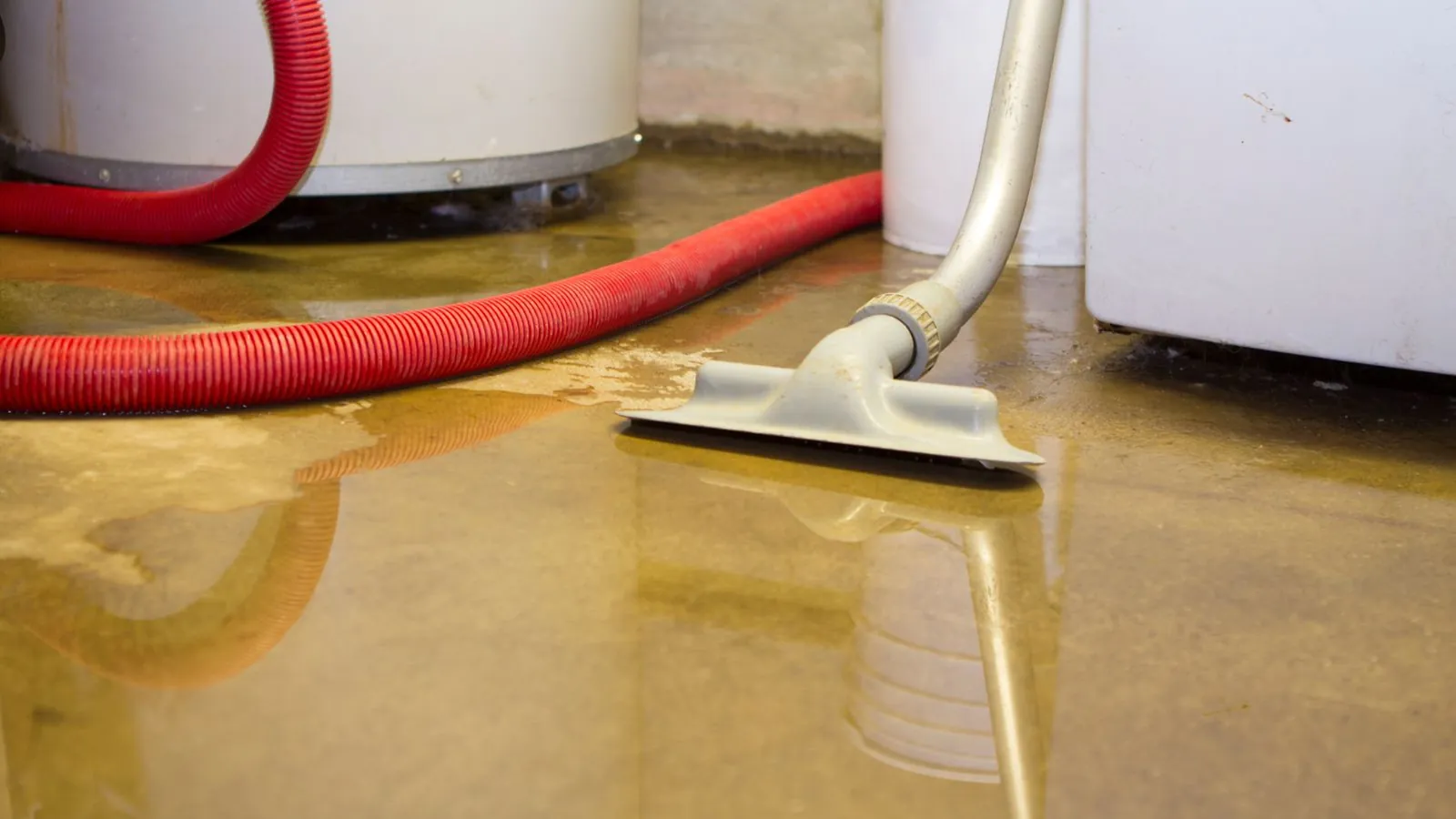
- Do not run a household vacuum on wet floors in any category.
- Keep damaged porous items until your insurer has seen them.
When you are not sure which category applies, treat the water as the higher one until a technician says otherwise.
Questions Roselle homeowners ask
Yes. Clean water that sits and picks up contaminants can move to a higher category over time.
Rain that enters through a roof or wall may pick up debris and is often treated as Category 2 or 3, depending on what it touched.
It is generally treated as contaminated, since it comes from outside and carries soil and sewage.
A trained technician, based on the source and conditions. We explain it on day one.
It can affect scope and cost, and your policy decides coverage. Ask your insurer.
Classes describe how much water and how absorbent the materials are. Categories describe contamination.