
Where Seasons Four sits
Seasons Four is a single-family neighborhood in the southern part of Roselle, built in the 1970s according to real estate listings. It lies around Nassau and Springfield and Seasons 4 Park at 600 Old Farm Drive, and it appears in Village records as the Seasons 4 watershed.
Neighborhood-specific FEMA flood-zone status is not verified, so check the FEMA Flood Map Service Center for your own address. What the public record does show is a history of resident drainage complaints and a Village study, which is useful background for any homeowner here.
Drainage in the Seasons Four area
A Daily Herald report dated July 26, 2010 described residents of the Seasons subdivision on Newport Street asking the village board for help after a July 23 storm. They said drainage was an ongoing problem and submitted photos of damage to yards and homes.
A public project listing says the Village capital improvement plan for fiscal years 2023 to 2027 includes Seasons 4 Drainage Basin Improvements. It describes a 127-acre watershed with no retention or detention facilities and says a study looked at ways to reduce roadway flooding and flooding of private homes. Design and permitting were the next steps, and the listing notes that timing can change with funding.
None of this tells you whether your address floods today. Ask the Village which improvements, if any, have been built or scheduled near your street, and check your own history with your insurer and neighbors.
Source types: local news report and a public project listing of the Village capital plan
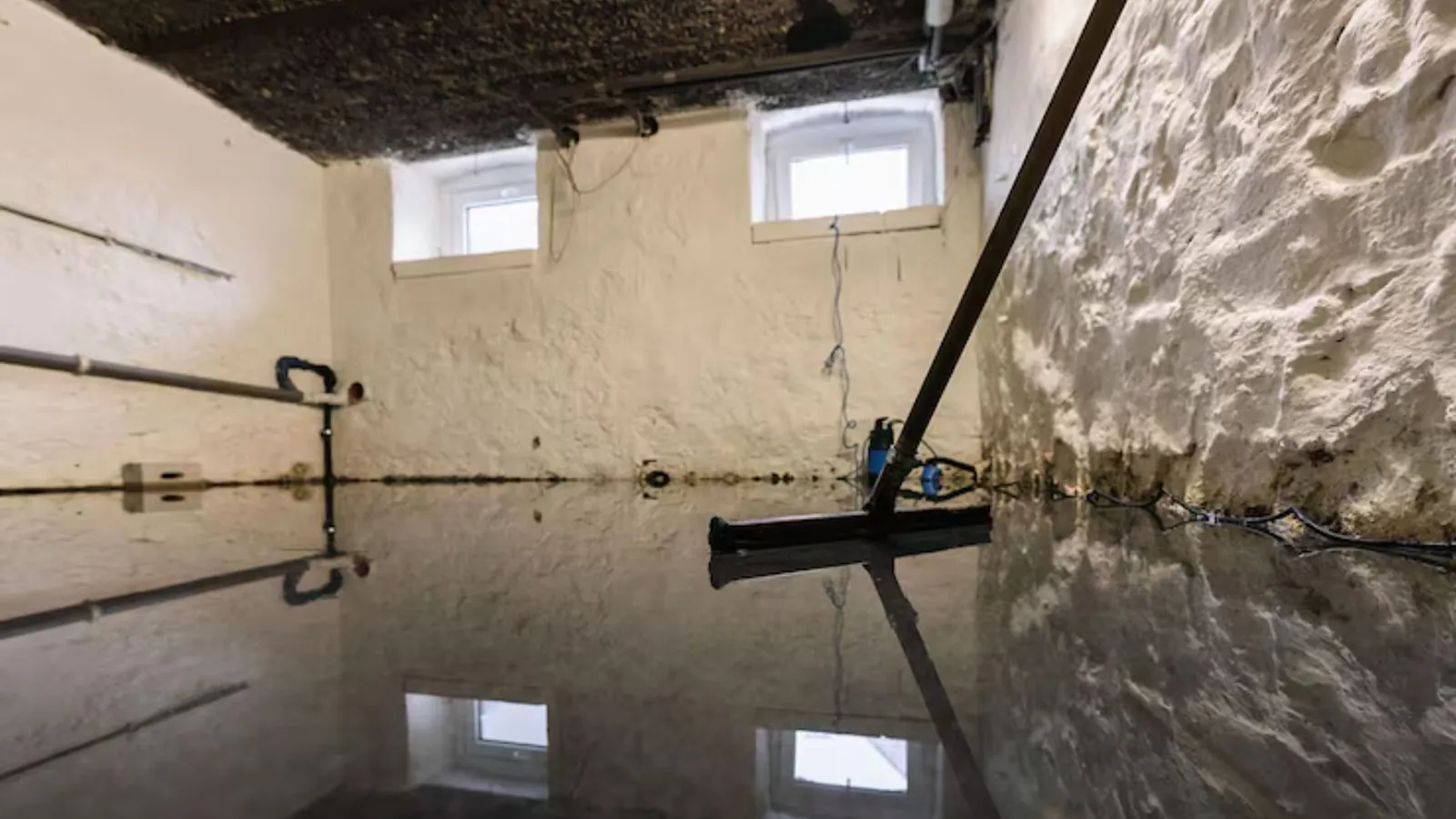
When storm water gets inside
Water from a drainage problem is not always clean. Runoff that enters a basement can carry soil and bacteria, and a sewer backup is a contamination issue for trained crews. Treat rain-related water as unsafe until it has been assessed.
Standing water near the electrical panel, furnace or outlets is a stop-and-call situation. Do not wade in to check, and do not use household fans or an ordinary vacuum on sewage or runoff.
Water entering after a storm? Call before you wade in, and describe what you can see from a dry spot.
Call (630) 580-6401First steps after storm water enters
Look from a dry spot
Check the depth and the electrical panel from the stairs or a doorway. If water is near live equipment, stay out.
Call the right people
Contact the utility or emergency services for gas smells, sparking or sewage rising through drains. Then call (630) 580-6401 about cleanup.
Photograph the waterline
Capture the water level, wet belongings and any failed sump pump or discharge line while it is safe to do so.
Move only what is safe
Lift dry items off wet floors. Leave soaked drywall, insulation and carpet for assessment.
What cleanup involves
Assess hazards
Electrical risk, water depth and contamination are checked before anyone starts.
Remove the water
Pumps clear deep water, then extraction units pull moisture from floors.
Remove wet materials
Soaked pad, insulation and drywall that cannot dry in place are cut out.
Dry and verify
Air movers and dehumidifiers run until moisture readings fall to normal.
Contaminated water changes the plan. Sewage and floodwater are handled as hazardous, and porous materials that touched them are usually removed rather than cleaned. A company should tell you plainly what it plans to remove and why.
| What you see | Possible source | First move |
|---|---|---|
| Water along a basement wall. | Groundwater or yard drainage. | Check the sump pump and discharge, then call for an assessment. |
| Water rising from a floor drain. | Sewer backup or drain overflow. | Treat it as contaminated and keep out of it. |
| A wet ceiling or wall. | A roof or plumbing leak. | Stop the source and photograph before opening anything. |
Records and programs worth checking
- Ask the Village what drainage work is planned near your street.
- Ask about the Village Yard Flooding Assistance Program, a cost-sharing program for yard flooding.
- Look up your address on the FEMA Flood Map Service Center.
- Ask your insurer how your policy treats sewer backup and sump pump failure.
- Keep photos and receipts together in one folder.
For the cleanup itself, see basement water cleanup, sewage backup cleanup, storm water damage cleanup and structural drying. You can also read about water damage restoration in Roselle as a whole.
Questions from Seasons Four homeowners
Public records describe resident reports in 2010 and a Village drainage study for the Seasons 4 watershed. We cannot tell you the history of a specific property, so ask the Village and compare notes with your neighbors and insurer.
No. A drainage study looks at how water moves through a whole watershed, not at what will happen at one address. It can help explain why runoff behaves as it does and which improvements are being considered.
Neighborhood-specific FEMA flood-zone status is not verified. Look up your own address on the FEMA Flood Map Service Center. A zone label does not decide whether water will enter a home, since sump failures and sewer backups happen anywhere.
Stay out of the water if it is near electrical equipment. Check from a dry spot, photograph what you see, and call for help with pumping and drying. A backup power or water-powered backup pump is a question for a plumber.
Tell us where the water entered, how deep it is, whether it looks clean, and whether it is still rising. Call (630) 580-6401 and give your street so we can confirm whether we can help.