
The Trails at a glance
The Trails sits on the north side of Roselle around Woodfield Trail and Nerge Road. A Daily Herald profile describes 155 single-family homes and 362 townhouses built by Kennedy Brothers in the mid- to late 1970s, in styles that include ranches, two-story homes and split-levels. It notes that many residences have been updated since.
Frederick Nerge Elementary School on Woodfield Trail is a familiar landmark here. Nothing we found documents repeated flooding in The Trails, and neighborhood-specific FEMA flood-zone status is not verified. A neighborhood built in one era says little about a particular house, but it does give homeowners a shared set of layouts to plan around.
Why layout matters in a split-level or tri-level
In a split-level home, the lower level often sits partly below grade and holds finished space such as a family room or a laundry area. When water starts on an upper floor, gravity moves it down to those rooms, and carpet, trim and drywall near the floor can take the worst of it.
A tri-level townhome stacks living areas on several half floors, so a leak from a bathroom or laundry can reach more than one level before a stain shows. Ask for moisture readings in the rooms below the source, not only in the room where you first saw water.
Water reached a lower level? Call now and describe the source and the rooms affected.
Call (630) 580-6401Common sources and where to look
| Source | Look first at | Why |
|---|---|---|
| Washing machine hose. | Laundry floor, the wall behind and rooms below. | A supply hose is under pressure whenever the valve is open. |
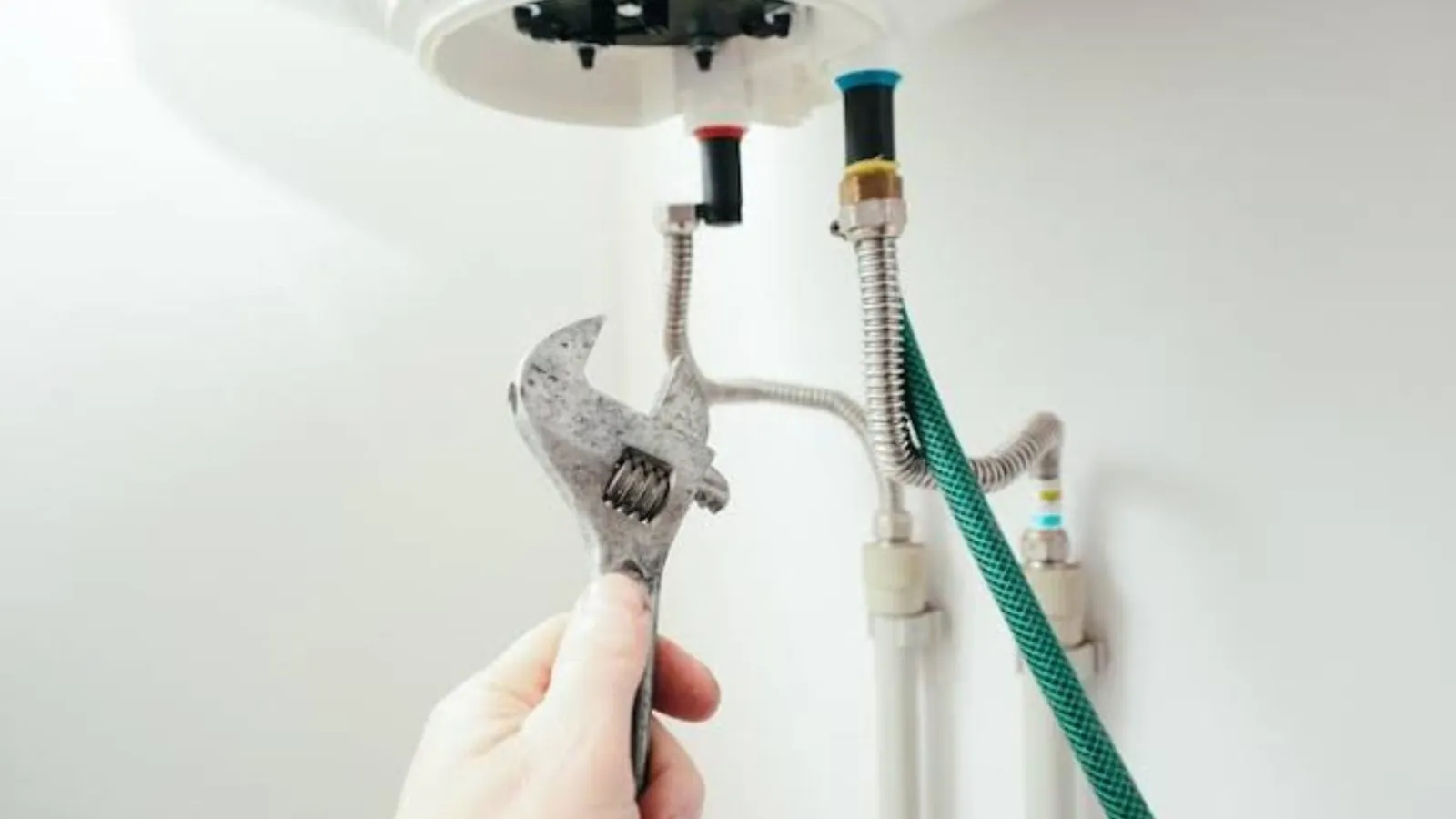
| Water heater. | Base of the tank, nearby carpet and baseboards. | A slow leak can soak flooring before it is seen. |
| Dishwasher or sink. | Cabinet floor and flooring beside it. | Water often collects out of sight under cabinets. |
| Roof or window. | Ceiling below and wall cavities. | Water can travel along framing before it shows. |
The first hour at home
Shut the water off
Close the valve at the appliance or fixture first. Use the main shutoff only if the leak cannot be isolated.
Keep power and water apart
Do not touch outlets, cords or appliances standing in water. Wait for a qualified person to make the area safe.
Lift and photograph
Raise furniture onto blocks where it is safe, and photograph the source and each wet room.
Call for an assessment
Phone (630) 580-6401 and say which levels are wet, so the right equipment can be planned.
How drying works across several levels
Water on a carpeted lower level soaks into the pad and can reach the subfloor and the base of the walls. Extraction pulls out standing water, and wet pad is often removed because it dries slowly. Dehumidifiers and air movers then work on the remaining moisture in framing, drywall and flooring.
Drying is finished when moisture readings return to normal for the materials, not when the room feels dry. The ANSI/IICRC S500 standard frames drying around measured goals like these. Ask to see the readings at the start and at the end. If a company cannot explain how it will measure progress, keep asking until it can.
Questions to ask before work starts
- What equipment will run, and for how long.
- How moisture will be measured at the start and at the end.
- Which materials may need removal, and why.
- How the scope and price will be explained before work begins.
- What your policy covers, which depends on the cause and the policy terms.
For the work itself, see water heater leak cleanup, appliance leak cleanup, carpet water damage and structural drying. You can also read about water damage restoration in Roselle as a whole.
Questions from The Trails homeowners
Water moves down through floors, wall cavities and openings around pipes. In a multi-level home that path leads to the lower level, where carpet and finished walls absorb it. Ask for readings below the source, not only at it.
Neighborhood-specific FEMA flood-zone status is not verified. Look up your own address on the FEMA Flood Map Service Center. Most water damage in homes starts with plumbing or appliances, so a map is only one part of the picture.
Close the valve at the wall if you can reach it dry, and stay out of water that touches outlets or cords. Photograph the area, then call (630) 580-6401 to talk through extraction and drying.
Ask for moisture readings in the affected walls and floors, taken at the start and at the end. Dry is a number for each material, not a feeling, and surfaces can feel dry while framing is still wet.
Call (630) 580-6401 with your street and the type of damage and we will confirm whether we can help. Houses and townhomes near Woodfield Trail and Nerge Road are part of Roselle.