
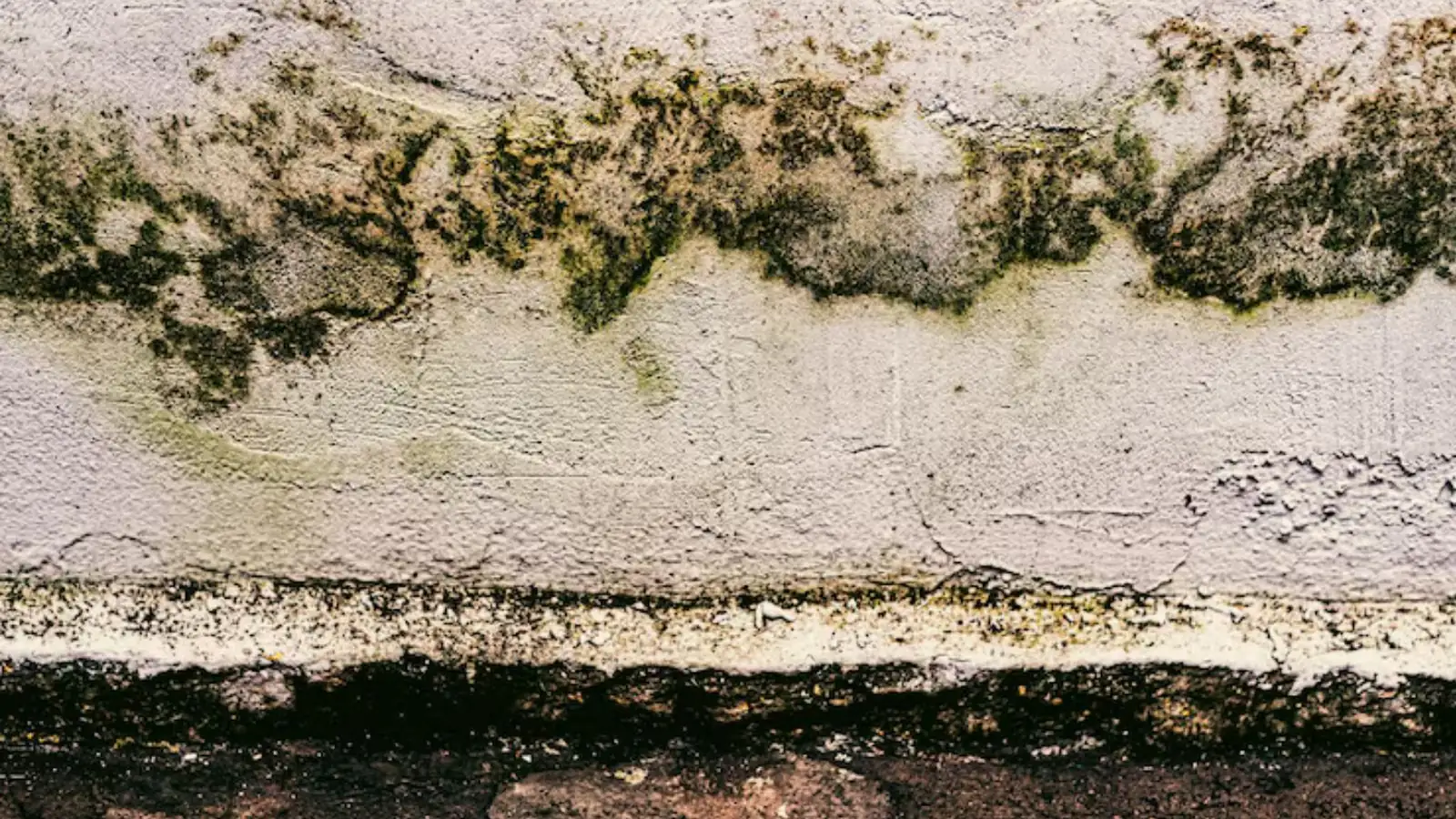
Remediation in one paragraph
Mold remediation is the professional process of dealing with mold growth in a building. It begins by finding and fixing the moisture source, then contains the work area, removes affected porous materials, cleans surfaces that stay, dries the space and checks the result. The goal is not to kill every spore, since spores exist everywhere. The goal is to return the building to a normal condition.
We do not make health claims about mold. Any health concern belongs to a physician. This guide covers the building side only.
Why moisture always comes first
Mold needs moisture and an organic food source, and a house provides plenty of the second. That is why the first question is always about water. Was there a leak, a roof problem, a clogged AC drain or poor ventilation? Cleaning mold without fixing the moisture is like mopping a floor while the faucet runs.
If you do not know where the moisture came from, a plumber, a roofer or an HVAC technician may need to look. When the source is a past water event, drying the structure is part of the job, and structural drying explains how it works.
The five stages of a typical job
Assess
Visual inspection and moisture readings find how far growth has spread.
Contain
Plastic sheeting and negative air control limit spread of spores while work happens.
Remove
Affected drywall, insulation, carpet or trim is cut out and bagged. Hard surfaces may be cleaned instead.
Clean
HEPA vacuuming and approved cleaning methods are used on surfaces that stay.
Dry and verify
The area is dried, readings are checked and, if wanted, an independent assessor tests for clearance.
Details vary with the area and the building. A small patch on a closet wall is a different job from growth across a basement ceiling. See our mold remediation page for how we scope a job.
The standard behind the work
ANSI/IICRC S520 is the published standard for professional mold remediation. It describes conditions of a space, containment and cleaning methods. Asking a contractor whether it follows S520 is a fair question. Following a standard does not guarantee an outcome, but it shows a defined process.
Illinois rules, in plain terms
Illinois has a Mold Remediation Registration Act, but the Illinois Department of Public Health says registration is not currently required while rules are pending. That means no state license number can be assumed for a contractor, and you should ask directly about training, process and insurance. The department can answer questions at dph.tox@illinois.gov.
We do not cite a license number on this site because none applies yet. If that changes, the department will say so.
Testing and clearance
There are two kinds of testing. Pre-remediation testing tries to learn what is present. Clearance testing, after the work, tries to show that the space is back to normal. For a home sale or a loan, a buyer or lender may ask for clearance, and an independent assessor avoids a conflict that comes from a contractor grading its own work. A lender or buyer decides what it accepts, so we cannot promise that.
What it costs and what drives the price
Cost depends on the size of the area, the materials affected, how hard it is to reach, containment needs, testing and the rebuild that follows. Ask for a written scope and price before work starts. If a quote is only a number with no scope, ask what it includes. See carpet water damage restoration and wall and drywall repair for related repairs.
Neighbors in Hanover Park and Bloomingdale ask the same questions, and the answers do not change by village.
Who to ask in Roselle
Roselle homeowners can contact the Illinois Department of Public Health for questions about mold remediator registration. For building work that follows remediation, such as plumbing or electrical repair, Roselle Development and Engineering Services handles permits.
If the moisture came from a street-side water line, Village Public Works at 474 Congress Circle North is the contact. Fixing that source is the step that keeps mold from returning.
Source types: Illinois Department of Public Health, Village of Roselle
What to do before a remediation visit
- Fix or stop the water source first.
- Photograph the area before anything is moved.
- Keep pets and children out of the affected room.
- Do not scrub or spray the growth.
- List who should be notified, such as a landlord or a buyer.
These steps make the first visit faster and the scope clearer. They also keep a small problem from spreading.
Questions Roselle homeowners ask
The terms overlap. Remediation describes the whole process, including moisture control and cleaning, while removal often means just taking material out.
The Illinois Department of Public Health says registration is not yet required while rules are pending. Ask any contractor about training and process.
Not always. Visible growth may not need sampling to justify cleanup, but testing can help with a sale or a loan. An independent assessor is best.
Clearance testing by an independent assessor is one way. At minimum, ask for a written scope, photos and dry readings.
If moisture returns, yes. No honest contractor promises it will never come back.
Small surface spots on hard material are a household chore for some people. Larger or hidden growth should be assessed first.